Security Frame Work
What is the Cyber Security Framework and what was it created to accomplish?
NIST developed the Framework at the direction of the White House with the active participation of industry, academia and multiple levels of government. It’s designed to be a “common language” that spans the entirety of Cyber Security risk management and that can be easily understood by people with all levels of Cyber Security expertise. Five functions comprise the core of the Framework Identify, Protect, Detect, Respond and Recover. Under these overarching functions, the Framework provides a catalog of Cyber Security outcomes based on existing standards, guidelines and practices that organizations can customize to better manage and reduce their Cyber Security risk.
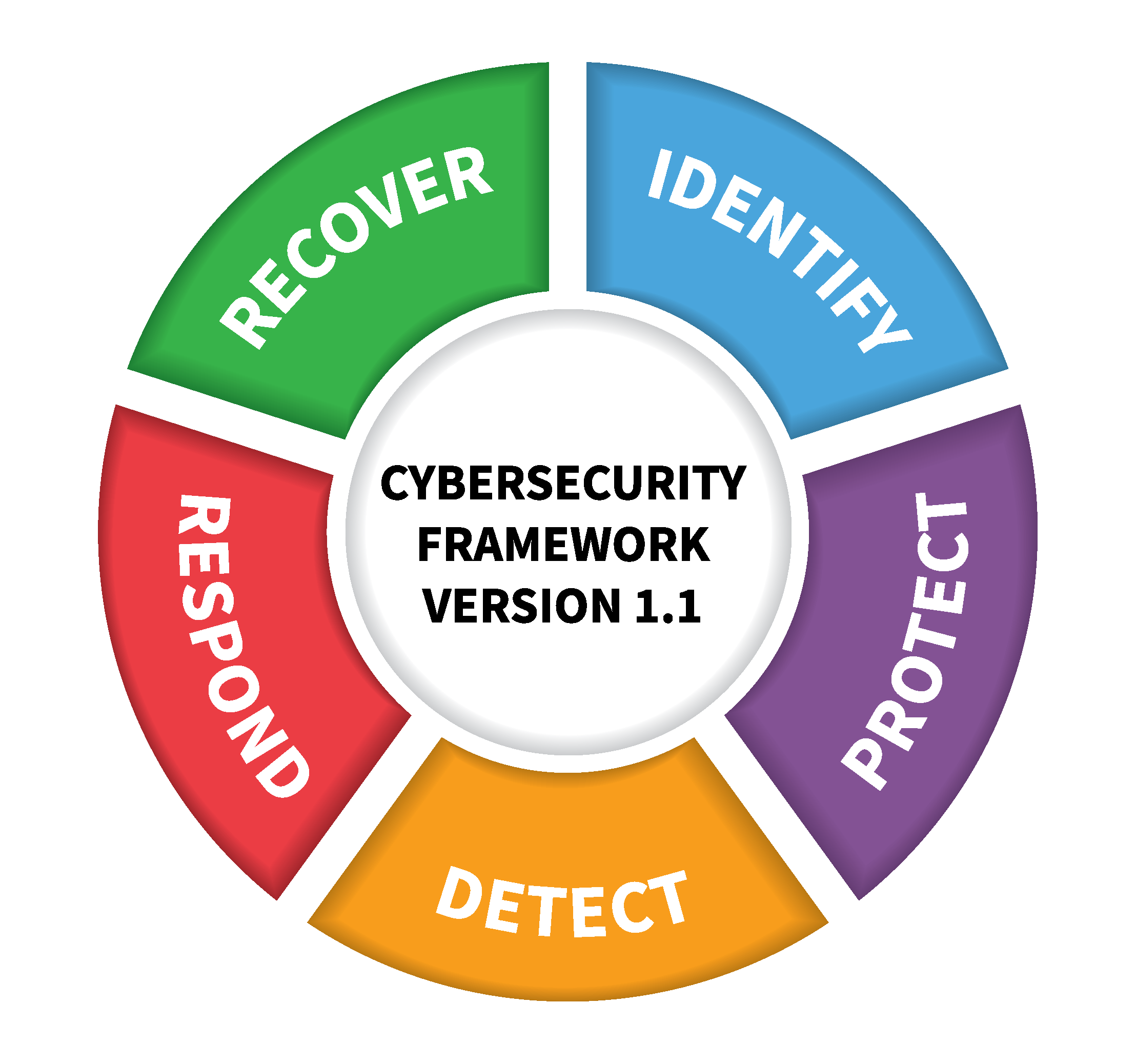
The Five Functions
This learning module takes a deeper look at the Cyber Security Framework's five Functions: Identify, Protect, Detect, Respond, and Recover. The information presented here builds upon the material introduced in the Components of the Framework module. This module explores the value of the Functions within the Framework, and what is included in each Function.
An Introduction to the Functions
The five Functions included in the Framework Core are :
The Functions are the highest level of abstraction included in the Framework. They act as the backbone of the Framework Core that all other elements are organized around.
These five Functions were selected because they represent the five primary pillars for a successful and holistic Cyber Security program. They aid organizations in easily expressing their management of Cyber Security risk at a high level and enabling risk management decisions.
We need the following section same as the other one we have for "Get Involved".
The Identify Function assists in developing an organizational understanding to managing Cyber Security risk to systems, people, assets, data, and capabilities. Understanding the business context, the resources that support critical functions, and the related Cyber Security risks enables an organization to focus and prioritize its efforts, consistent with its risk management strategy and business needs.
Examples of outcome Categories within this Function include :


The Protect Function outlines appropriate safeguards to ensure delivery of critical infrastructure services. The Protect Function supports the ability to limit or contain the impact of a potential Cyber Security event.
Examples of outcome Categories within this Function include :
The Detect Function defines the appropriate activities to identify the occurrence of a Cyber Security event. The Detect Function enables timely discovery of Cyber Security events.
Examples of outcome Categories within this Function include :


The Respond Function includes appropriate activities to take action regarding a detected Cyber Security incident. The Respond Function supports the ability to contain the impact of a potential Cyber Security incident.
Examples of outcome Categories within this Function include :
The Recover Function identifies appropriate activities to maintain plans for resilience and to restore any capabilities or services that were impaired due to a Cyber Security incident. The Recover Function supports timely recovery to normal operations to reduce the impact from a Cyber Security incident.
Examples of outcome Categories within this Function include :